
Blog
What is a digital experience on a brand website?
Some of the most useful things on a website are not pages of text. They are small things a person can actually use: a careful estimator, a finder, or a tool that belongs to the brand and leaves them with something to take away.

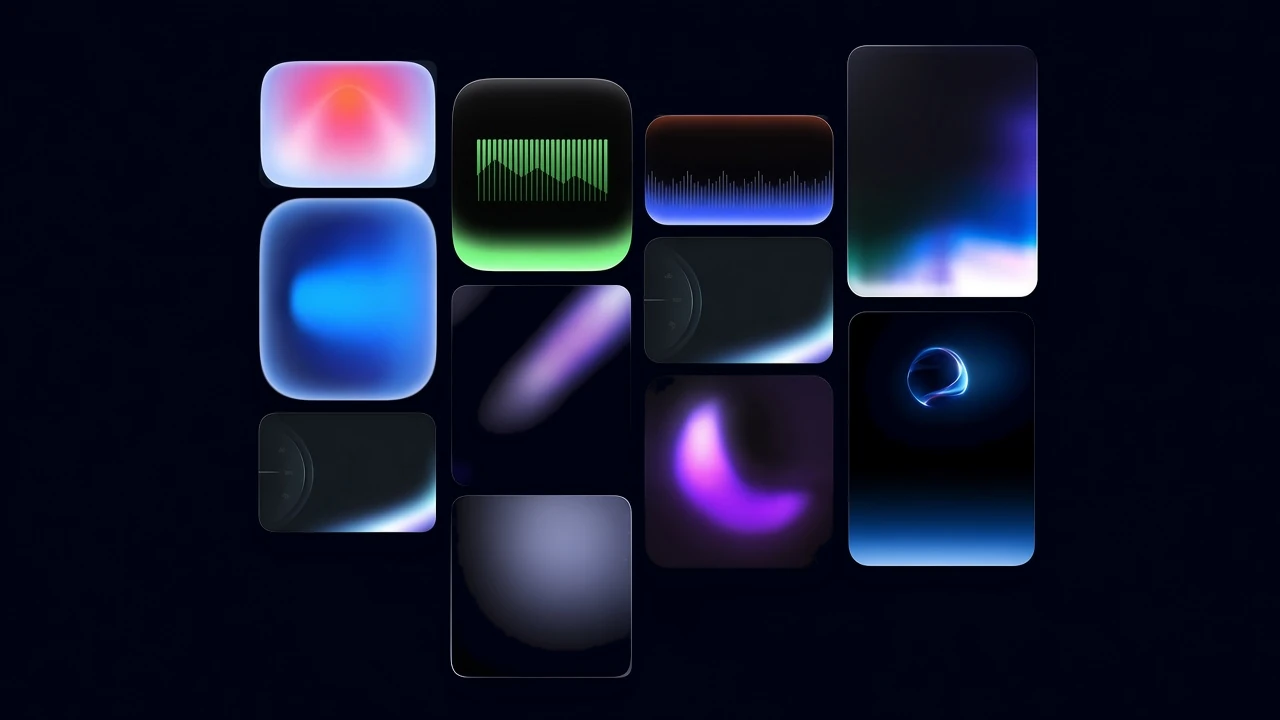
What is a digital experience on a brand website?
It is a small, memorable thing people can use on your site, or take away and share, made to feel like your brand rather than like a generic widget. That might be a tool for a fan, a careful calculator that helps someone understand a next step, or a lookbook, finder or keepsake that belongs on the site. At Portal Studio, this work starts from £5,000, scoped on a dedicated call first.
Some people arrive at a website ready to read. Others need to do something before they are ready to get in touch. They want to try, compare, estimate, play, or see themselves in the work. A static page can only tell them. A digital experience lets them take part.
The useful ones are small and specific. They have a job, a feeling, and an ending. They are not a product the client then sells as their own software platform, and they are not a thin example built only to decorate a sales page. They are made for one brand, and they live where that brand's people already are.
What it is
We usually group this work into three shapes, under one heading, so the catalogue stays clear.
The first is an artist or creator experience. This is a small tool made with that artist's taste. A fan uses it, makes something, and can take it away: an image, a short loop, or a link they can share. The export is part of the point, because it carries the artist's world into the fan's own space. It is a scoped build for one artist or creator, not a public platform.
The second is an interactive calculator or estimator. A clinic might offer a careful tool that helps someone understand a treatment conversation before they book. A trade business might collect enough detail to start a quote. A person confirms any figure that matters. The tool does not diagnose, and it does not give regulated advice.
The third is an on-site brand experience: a lookbook, a finder, a keepsake, or another small interaction that belongs on the client's site and feels like the brand. The visitor should leave having done something, not only having scrolled.
What this is not matters just as much. It is not a multi-tenant application you would then sell as a subscription product. It is not a replacement for a full website, and it is not a hidden piece of back-office software. If people will not touch it, or if it does not help them connect with the brand, it does not belong here.
Who it is for
Artists, musicians, designers and content creators often need a way for fans or clients to step into their world, not only to look at it. A fan tool, a kit explorer, or a short identity exercise can give someone something of their own to keep or to post. Photographers may need a gallery or preview experience that still leads to an enquiry. Production teams may need a small interactive piece that belongs to a release, a show or a series.
Clinics and dental practices are a natural home for a careful estimator or explainer, as long as the clinic confirms any figure and the tool never claims to replace a clinician. Trade businesses can use a simple project estimator that starts a quote conversation. Property teams can use a preparation tool that helps a visitor get ready to speak to an agent, without offering financial advice. Coaches can use a fit quiz that routes someone towards a conversation, or away if they are not a fit.
E-commerce and hospitality businesses can use a finder, a lookbook, or a small guest experience for planning a visit. Automotive businesses can use a service estimator that hands a person the details to confirm. Agencies and founders sometimes need a branded interactive piece on their own site, or in a pitch, when it helps people feel the work rather than only watch a slide.
How this makes the brand feel human
A brand feels human when someone can do more than read a claim. They can try a small version of the work, see themselves in it, or understand a next step without being pushed. That is a different kind of trust from a polished paragraph.
The experience should feel as if this particular business made it. The tone, the limits, and the way it ends should match how the brand actually treats people. If a figure needs a person to confirm it, the tool should say so. If something can be taken away and shared, it should still feel like the visitor's own thing, made inside the brand's world.
This is also why a thin, generic example on a sales page is a poor substitute. The real work is worth walking through properly, usually on video, once it exists. The site can explain the idea clearly in words. The thing itself should be made for the people who will use it.
How the company brain feeds this
A digital experience has to follow the same truths as the rest of the brand. The offers, the language, the rules, and the limits of what can be promised should already live in the company brain. The experience then uses that record, rather than inventing a price, a diagnosis, or a claim the business would not stand behind.
That is how a clinic calculator stays honest, how an artist tool stays in the artist's world, and how a finder or lookbook stays in step with the website and the follow-up that may come next. If the brain does not exist yet, it is usually the first custom build to do, or it is gathered as part of the same scope.
Once the context exists, the same record can feed a website, a landing page, follow-up, and later experiences, without starting from nothing each time. That is how a digital experience stays part of a connected marketing function, rather than a widget added as a separate task.
What you own
You own the experience, the design, the words and the data it collects, built in accounts you control. It should live on your site, or in a place your audience already uses, and you should be able to take it with you.
If people can export something, you should also understand what they are taking away, and what of your brand travels with it. Handover includes enough guidance for your team to update simple content later. Software and hosting for the tools you choose are paid in your own accounts.
How scope and pricing work
Digital experiences at Portal Studio start from £5,000. The exact figure is agreed on a dedicated scoping call before any work goes ahead.
The cost moves with how specific the interaction is, how much original design and writing it needs, what a person can take away, and how carefully the rules have to be set so the tool cannot overpromise. A focused calculator or a small on-site piece usually sits towards the lower or middle of the band. A richer artist or creator experience, with a considered export, usually needs more time and sits further up.
Also budget for hosting, any tools the experience connects to, your time to approve the tone and the rules, and applicable tax, which is explained before work starts. The timeline is agreed in the written scope. Nothing goes live until you have used it and approved it.
When this is not the right step
If you only need a simple enquiry form, start with a website or a landing page. If you want a product that many customers would log into and pay for as their own software, that is a different kind of project, and it is not what this build is for.
If the brand voice, the offer or the rules are still unclear, the company brain or a first conversation is the better starting point. An experience cannot be honest if the business has not yet decided what it is allowed to say.
What you can do today
Name one moment when a visitor hesitates: they want to understand a treatment, try something in the artist's world, find the right product, or get ready for a conversation. Write down what they should be able to do, and what they should not be told automatically. Then book a scoping call and bring that note with you.
Short answers
Is this a website, or something else?
It usually lives on a website, but it is not the website itself. The site holds the brand. The experience is a small thing people can use, or take away, while they are there.
Can this include a calculator for a clinic, or a tool for an artist or producer?
Yes. Those are three common shapes of the same kind of work: a careful estimator, an experience made with an artist's taste, or a small tool in a producer's or maker's world. A person confirms any figure that matters, and the tool does not give clinical or regulated advice.
Do we own the experience when it is finished?
Yes. It is built in accounts you control. You own the work, the words and the data, and you can take it with you.
How is this priced?
Custom builds start from £5,000. The exact figure is agreed on a dedicated scoping call before any work goes ahead.
How do we book this?
Book a scoping call. Nothing is built until you approve the written scope. A free introductory call is still available if you only want a starter conversation.
Read next

What is a company brain, and does my business need one?
Most businesses already know how they sound and how the work gets done. The problem is that knowledge lives in people's heads, old documents and half-finished pages. A company brain is the shared record that holds it together.

How do I get a website that sounds like my business?
Most sites look finished and still leave people unsure what to do next. The work is to sound like the business, answer the questions buyers already have, and send every enquiry somewhere the team will actually see it.
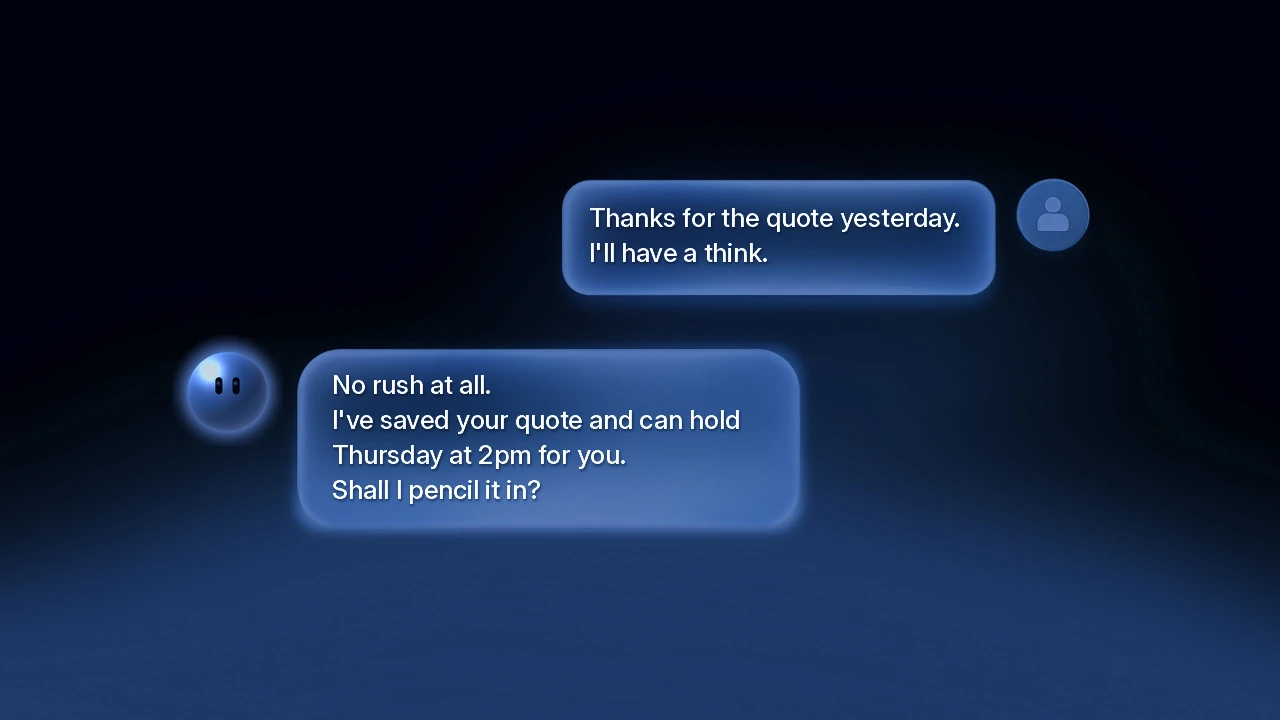
How do I follow up with enquiries without sounding automated?
The enquiry arrives, and then the day fills up. Follow-up is how you stay in touch like a thoughtful person would, without leaving it to memory, and without sounding like a machine that cannot stop.

How do landing pages help a small business get more enquiries?
A whole website tries to be everything at once. A landing page holds one offer and one action, then the path around it makes sure someone who is interested can actually get in touch.
Book a scoping call
A scoping call is how we agree the written scope for this kind of work. The exact figure comes after that conversation, not before it.