
Blog
How do landing pages help a small business get more enquiries?
A whole website tries to be everything at once. A landing page holds one offer and one action, then the path around it makes sure someone who is interested can actually get in touch.


How do landing pages help a small business get more enquiries?
They give someone one offer, in language they can understand, and one clear way to start a conversation. The path around the page then books a time, answers a few careful questions, or sends a confirmation, so interest is not left hanging. At Portal Studio, funnels and landing pages start from £5,000, scoped on a dedicated call first.
A website has to carry the whole brand. That is useful, but it is also why people get lost. They arrive from a particular message, or a particular offer, and then have to go hunting for the thing they were just promised. A landing page exists to hold that one offer still, and to make the next step obvious.
The enquiry does not come from having more pages. It comes from a person recognising themselves in the offer, trusting the next step, and being able to take it without friction. The work around the page, often called a funnel, is what happens just before and just after that click: a few careful questions, a booking, a confirmation, and a respectful path if they are not a fit yet.
What it is
A landing page is a single public page built around one offer and one action. That action is usually an enquiry, an application, a booking, or a request to be contacted. The page should be able to do its job even if the visitor never opens the rest of the site.
A funnel is the path around that page. It might ask a few questions so the right person is routed to the right conversation. It might connect to a calendar. It might send a confirmation and a reminder in your voice. It should also have a kind route for people who are not a fit yet, so they are not ignored and not trapped in a path that does not help them.
This is not a replacement for a website. Many businesses need both: a home for the brand, and a focused page for a campaign, a treatment, a programme, a drop or a season of work. The two should sound like the same business.
Who it is for
It is for businesses that have one offer they want people to respond to, and are tired of sending those people to a general homepage. A dental practice might need a page for one treatment enquiry, such as alignment or implants, that asks a few careful questions and books a conversation, without making clinical promises the dentist has not approved. A clinic or beauty business can do the same for one treatment, with a booking or enquiry step that the team will actually see.
Trade businesses often need a seasonal or single-service page that leads to a quote conversation. Property teams need a development or open-day page. Automotive businesses need a service or finance conversation page that hands off to a person. Hospitality businesses need an event or tasting page with a real booking step. Coaches and educators often need an application or booking page for one programme, rather than a long menu of everything they have ever taught.
Artists and content creators may need a drop, waitlist or release page. Music producers may need a page for a kit, a sample pack or a session offer. E-commerce brands may need a campaign page for one product or collection. In each case the page has a job: help the right person take one next step, and let the team see it.
How this makes the brand feel human
A landing page feels human when it respects the person who arrived. It does not hide the offer, it does not ask for information it does not need, and it does not shout. The questions, if there are any, should feel like the questions a thoughtful person would ask at the start of a conversation, not like a test.
It also feels human when the follow-through is kind. A confirmation should sound like the same business as the page. A reminder should be useful. If someone is not a fit, they should be told so clearly, and perhaps offered a way to stay in touch, rather than being pushed down a path that will waste their time and yours.
The brand stays human when the page does not invent urgency or results you cannot stand behind. One honest offer, well written, does more than a page that tries to be clever.
How the company brain feeds this
The offer language, the frequent questions, the booking rules and the way you describe price should already live in the company brain. The landing page then uses that record, instead of inventing a slightly different version of the offer for each campaign.
That is how a treatment page, a programme page and the main website stay in step. It is also how later follow-up can continue the same conversation, in the same voice, after someone has enquired. The landing page is not a campaign task on its own. It sits inside a connected marketing function, with email, social and the rest of the brand fed by the same record. If the brain does not exist yet, gathering the offer, the questions and the rules may need to happen before the page is written, or as part of the same scope.
A Brand Check can help first when the public voice still needs a shared record, especially if you want the page to be clear to people and to the tools they ask.
What you own
You own the pages, the words, the forms and the path around them. They are built in accounts you control, and you can take them with you. If the page connects to a calendar or an email tool, those accounts stay yours as well.
You also own the tracking that was agreed in the scope, so you can see which pages start conversations. Software and usage costs for the tools you choose are paid directly to those providers. Handover includes enough guidance for your team to update the offer, the dates and the simple copy later.
How scope and pricing work
Funnels and landing pages at Portal Studio start from £5,000. The exact figure is agreed on a dedicated scoping call before any work goes ahead.
The cost moves with how many paths you need, how much writing is involved, whether people are routed by a few careful questions, and what happens after they click: a simple message, a booking, reminders, or a longer path for people who are not ready yet. A single focused page with one form usually sits towards the lower end of the band. A set of pages with routing, booking and reminders, written carefully in your voice, sits further up.
Also budget for the tools the path connects to, your time to approve the words, and applicable tax, which is explained before work starts. The timeline is agreed in the written scope. It depends on how clear the offer already is, and how quickly reviews come back.
When this is not the right step
If you do not yet have one clear offer, a landing page will not invent one. In that case, start with a conversation about the offer itself, or with a Brand Check, rather than asking a page to do work the business has not decided.
If you only need a short update on a website you already have, and the next step already works, we will say so. A custom path is worth discussing when people are arriving with intent and then getting lost, or when interest is arriving and then going quiet.
What you can do today
Write down the one offer you want a person to respond to this month, the one action they should take, and where that enquiry would go today. Then book a scoping call and bring those three notes with you.
Short answers
How much do landing pages and funnels cost for a small business?
At Portal Studio, this work starts from £5,000. The exact figure is agreed on a dedicated scoping call before any work goes ahead.
Do I need a landing page or a full website?
Many businesses need both. A website holds the whole brand. A landing page holds one offer and one next step. If you only have one offer and no site yet, we will help you decide which to do first on the scoping call.
Will the page book people automatically?
Only if you want that, and only with tools you own. Some pages simply collect a careful enquiry for a person to pick up. The default is that anything which promises a time or a price is agreed with you first.
Do we own the pages when the work is finished?
Yes. The pages, the words and the data are yours, built in accounts you control.
How do we book this?
Book a scoping call. Nothing is built until you approve the written scope. A free introductory call is still available if you only want a starter conversation.
Read next
How do I get a website that sounds like my business?
Most sites look finished and still leave people unsure what to do next. The work is to sound like the business, answer the questions buyers already have, and send every enquiry somewhere the team will actually see it.

What is a company brain, and does my business need one?
Most businesses already know how they sound and how the work gets done. The problem is that knowledge lives in people's heads, old documents and half-finished pages. A company brain is the shared record that holds it together.
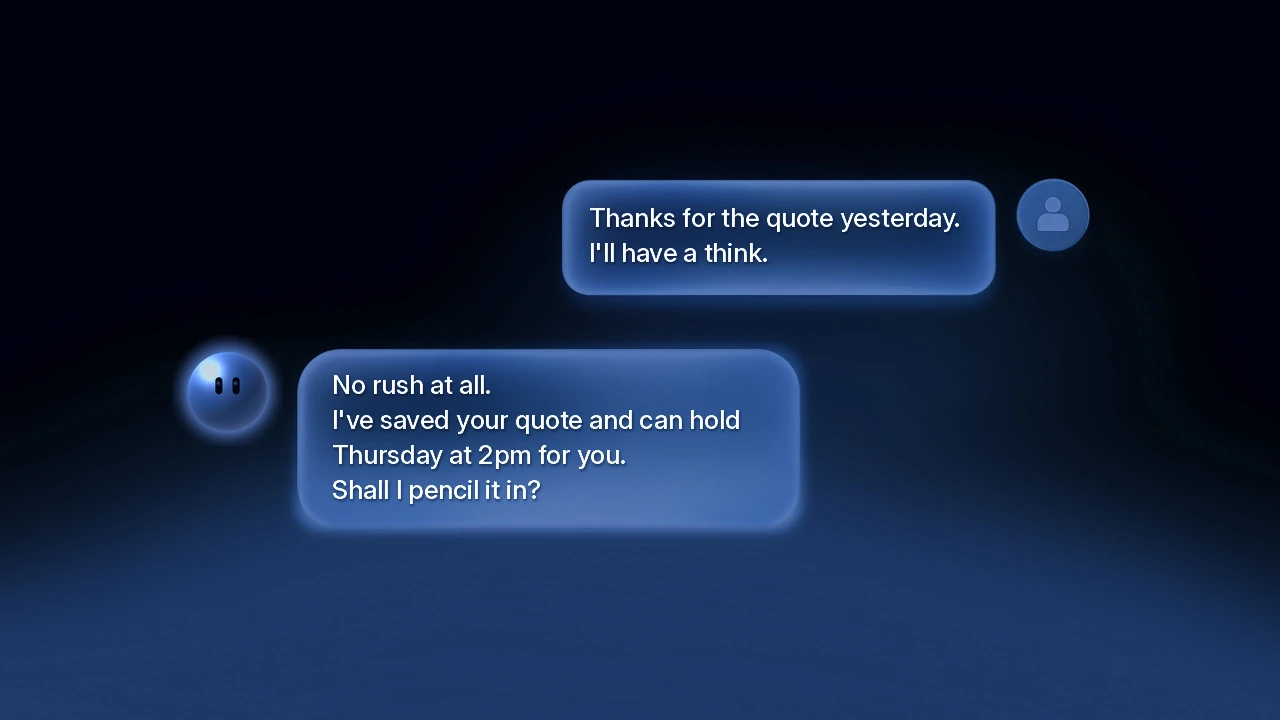
How do I follow up with enquiries without sounding automated?
The enquiry arrives, and then the day fills up. Follow-up is how you stay in touch like a thoughtful person would, without leaving it to memory, and without sounding like a machine that cannot stop.
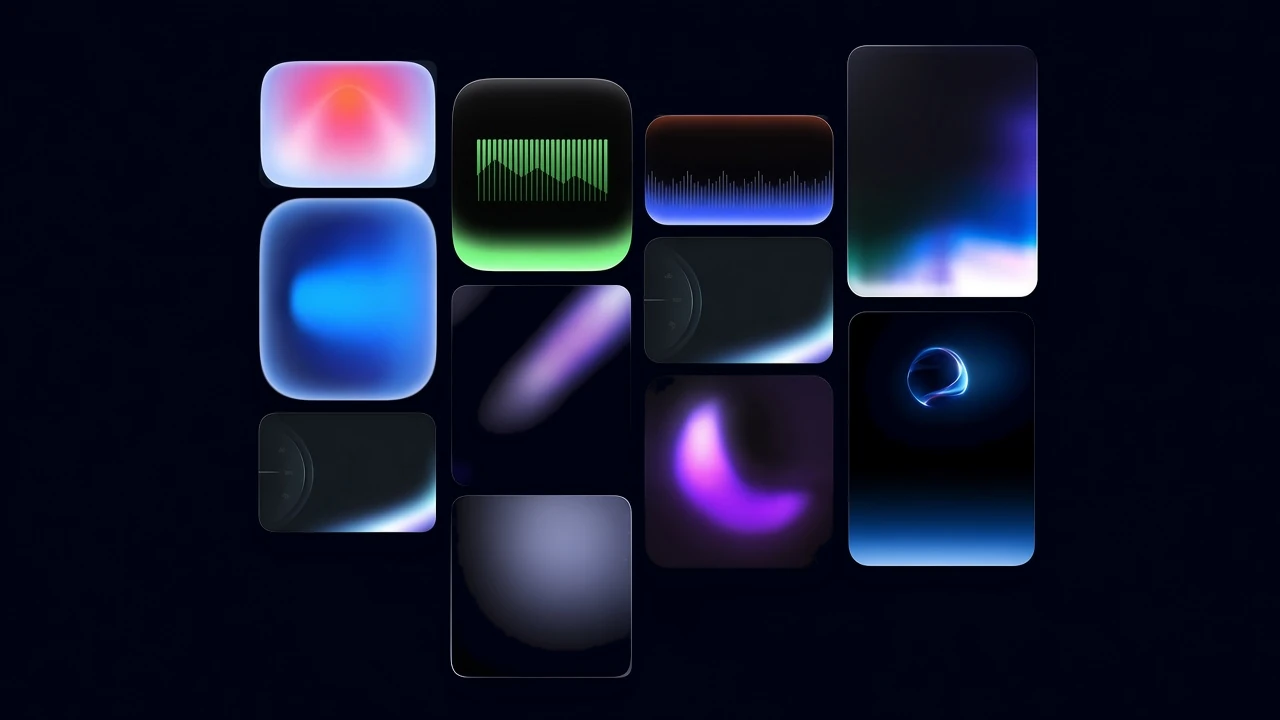
What is a digital experience on a brand website?
Some of the most useful things on a website are not pages of text. They are small things a person can actually use: a careful estimator, a finder, or a tool that belongs to the brand and leaves them with something to take away.
Book a scoping call
A scoping call is how we agree the written scope for this kind of work. The exact figure comes after that conversation, not before it.